



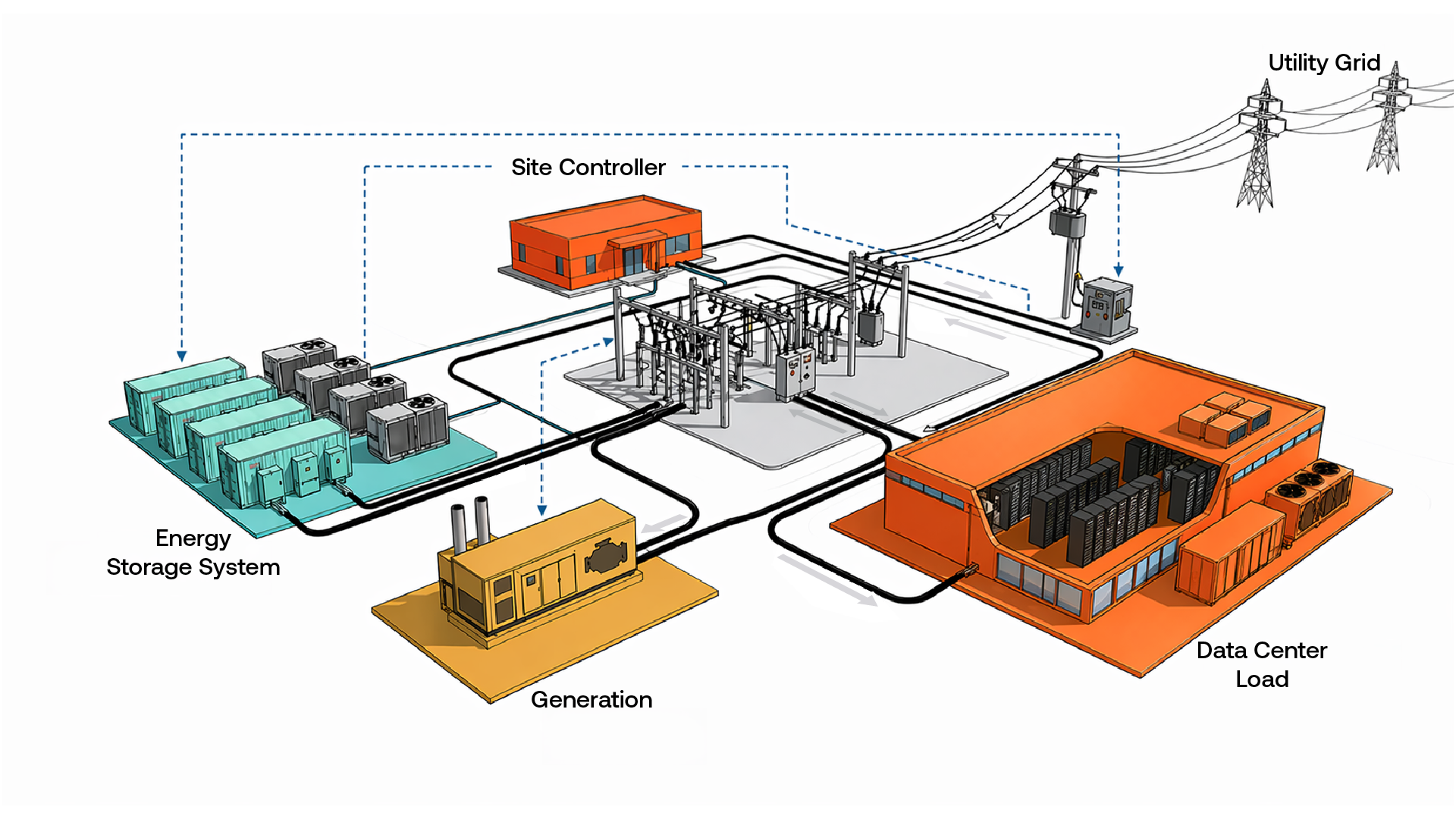
Under these approaches, facilities may rely on behind-the-meter resources to offset a significant portion of their demand, potentially allowing portions of the load to energize ahead of major transmission upgrades while broader system reinforcements continue through the planning process. As these frameworks increasingly rely on customer-managed resources to limit grid impact, understanding dynamic system behavior becomes critical to evaluating how facilities perform during disturbances and contingency conditions.
These frameworks represent a meaningful shift in how large loads are integrated. They rely on behind-the-meter resources not only to supplement grid supply, but to serve as the primary means of meeting demand while maintaining operational constraints. In this model, the grid continues to provide reliability services and system support, even as the facility aims to balance its own energy needs.
In this paper, net zero refers to operational configurations where colocated resources are intended to offset facility demand at the point of interconnection during normal operating conditions, rather than implying complete electrical independence from the grid.
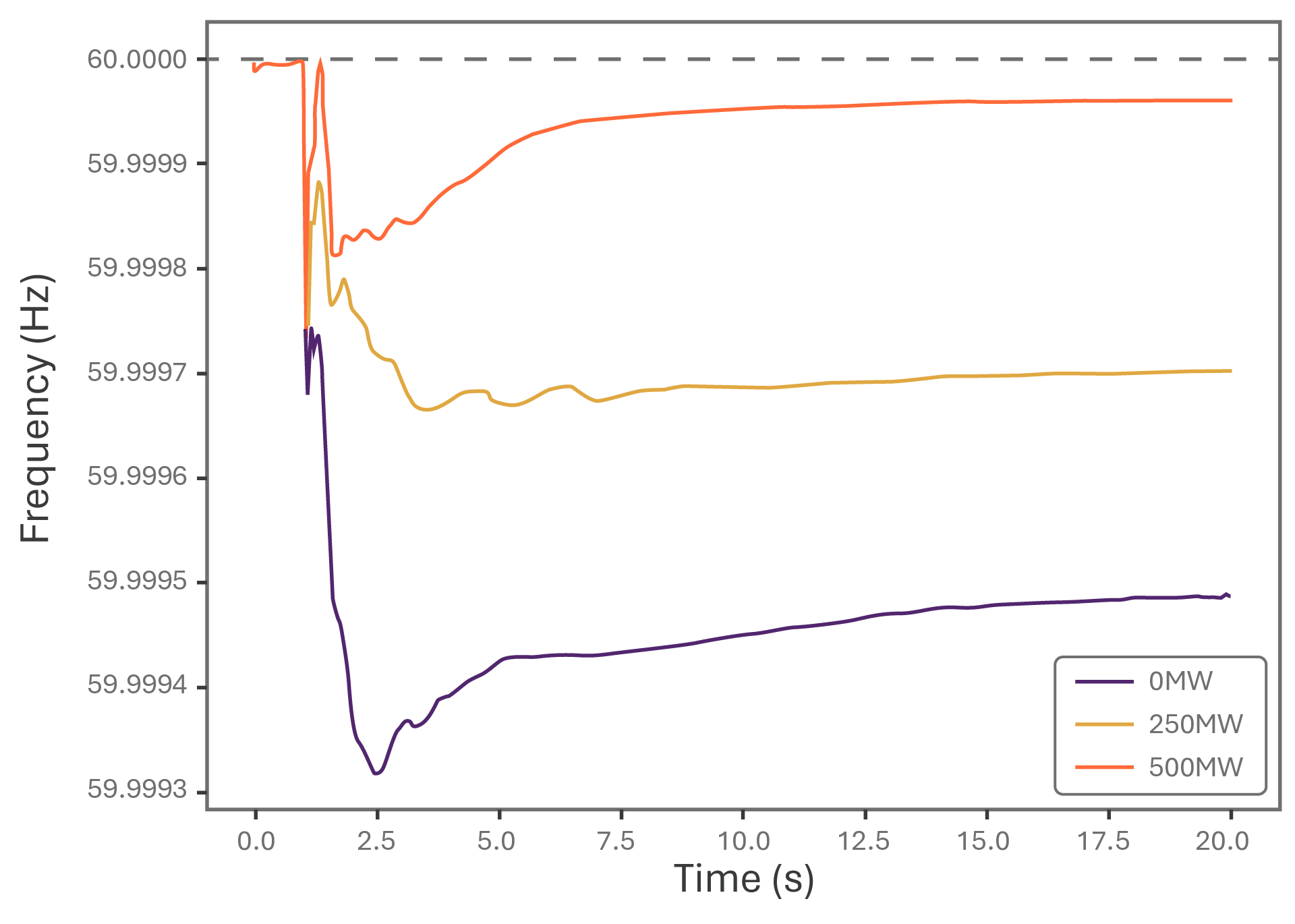
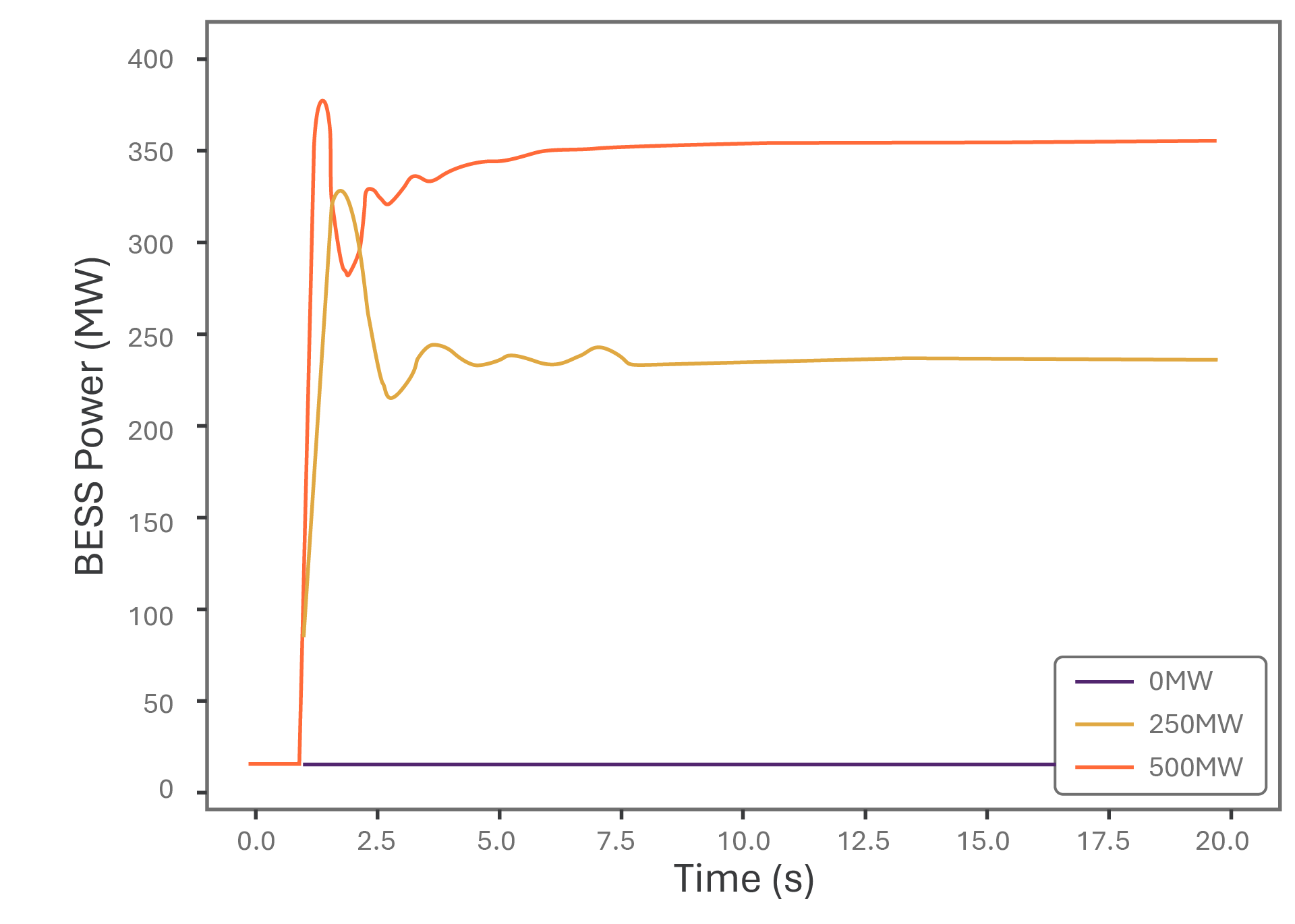
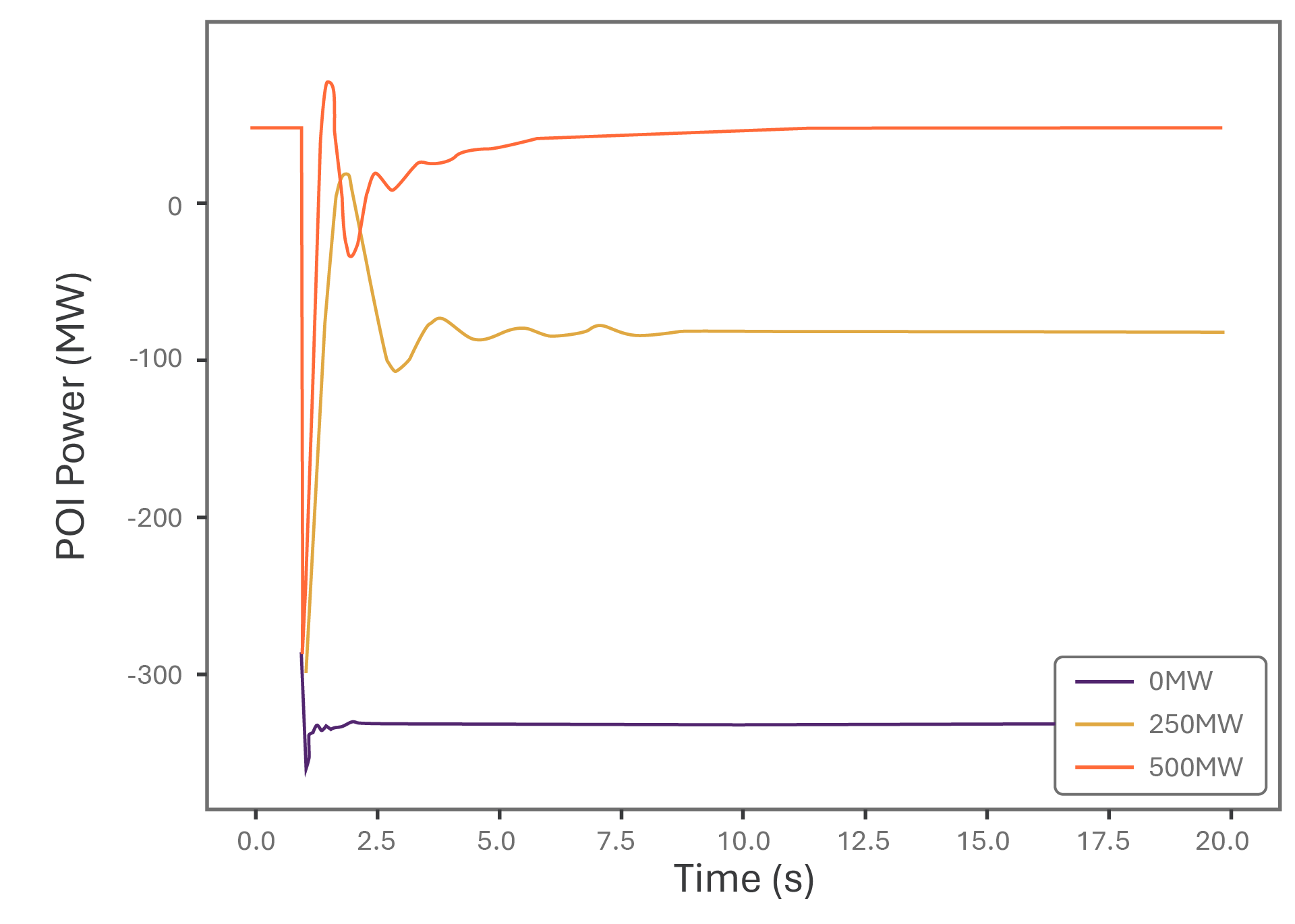
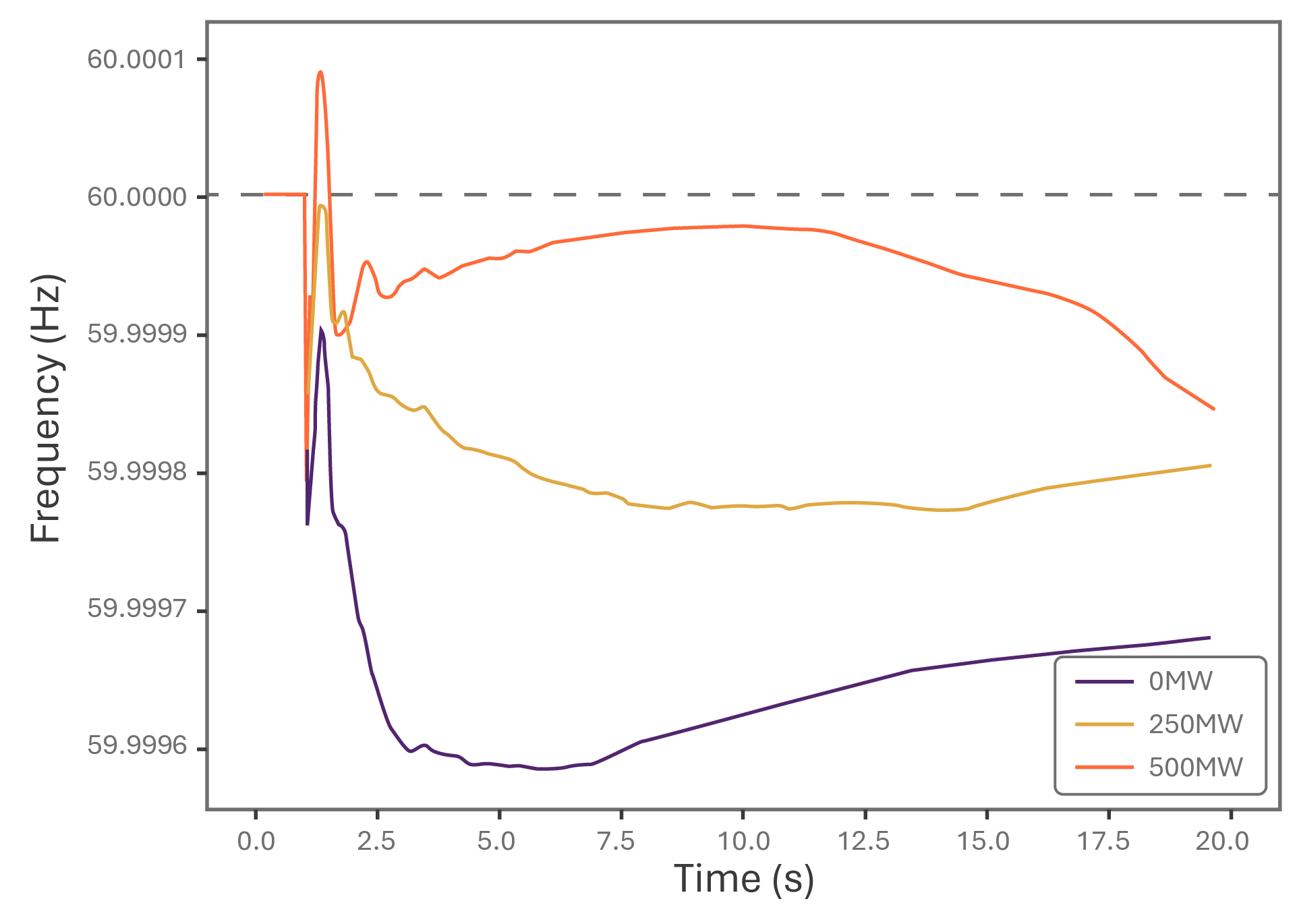
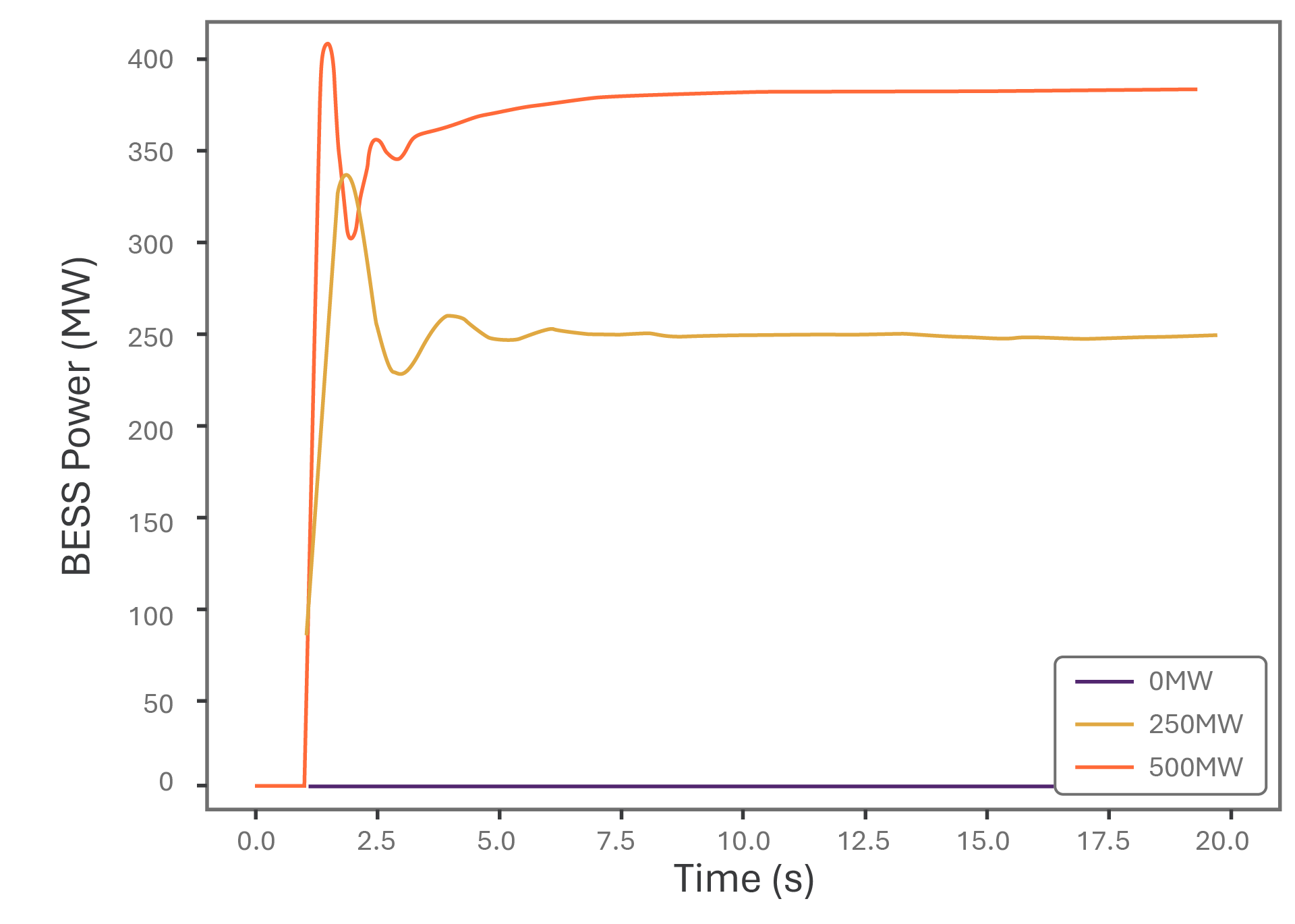
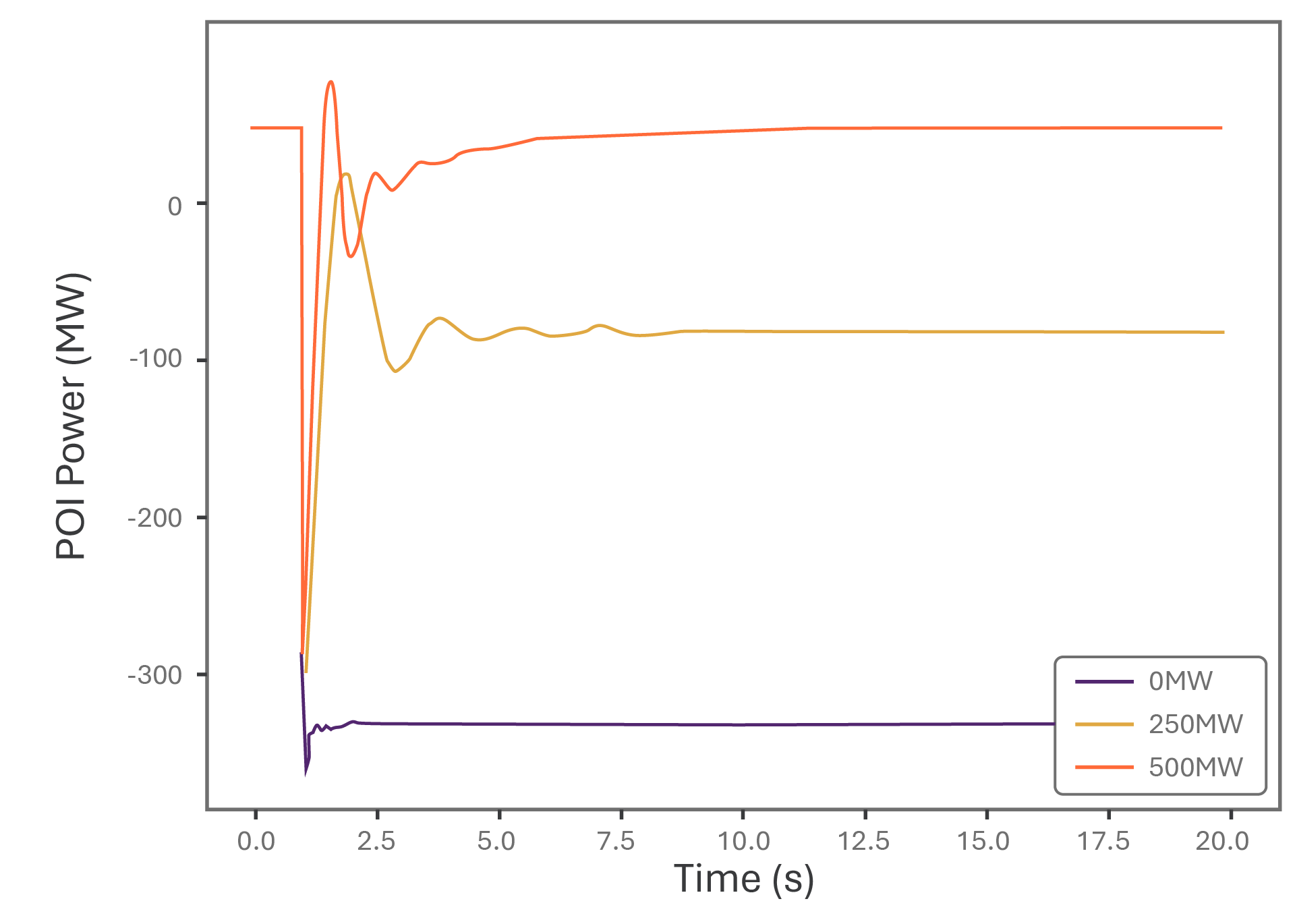
But can net zero behavior be maintained under all operating conditions? Answering this requires moving beyond steady-state assumptions and examining how the system behaves in real time. While net zero frameworks are often defined by balanced energy exchange over time, the physical behavior of the grid during disturbances introduces a different reality, one where short-duration imbalances are unavoidable.






.svg)