




Hosting Capacity Analysis: How It Works
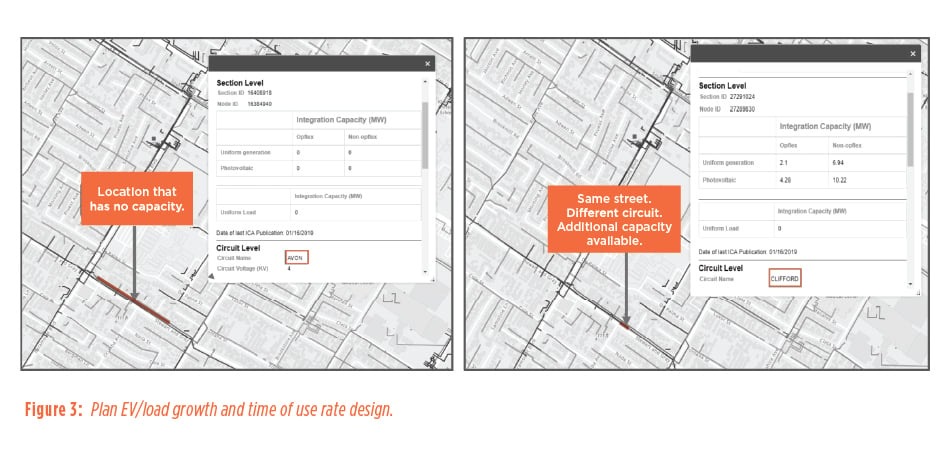
Hosting capacity refers to the number of DERs and load that each node on an electric distribution network can accommodate without updating existing infrastructure.
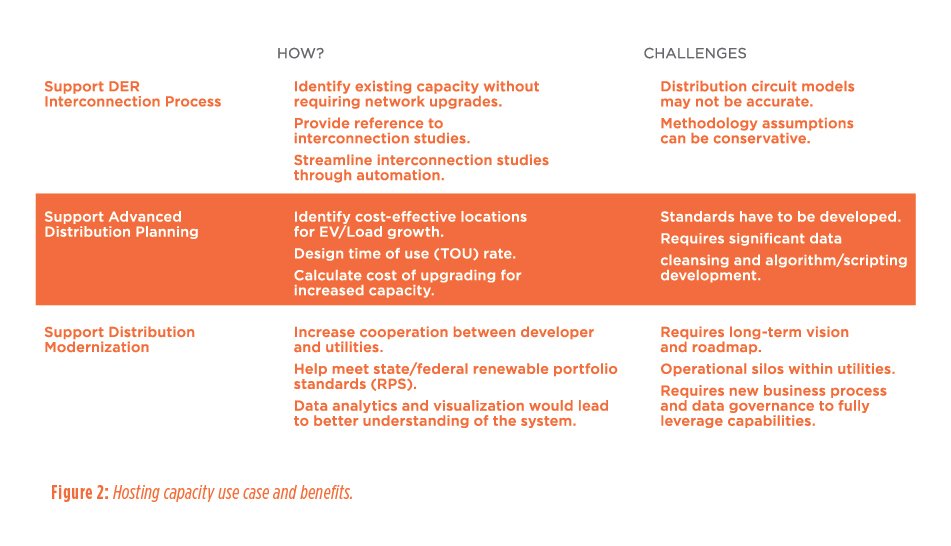
Data on a network’s hosting capacity provides useful insights to utilities wanting to integrate DERs into their systems. Creating network models and databases that can deliver accurate hosting results requires significant data preparation. That said, the payoff can still be significant, leading to a solid foundation in grid analytics, multiple efficiencies and better system understanding.
Hosting Capacity Analysis (HCA) is a tool used by utilities to plan for and approve DER connections to their systems. It works by determining the maximum load or generation that a distribution circuit can integrate without introducing new system violations or exacerbating existing ones.
This forward-looking analysis involves three well-defined engineering studies used in the interconnection process. The results of any of the studies can potentially impact the load or generation size that can be interconnected. They include:
Thermal/operating studies to assess cables, conductors, transformers, fuses, switches and other equipment with loading limits.
Voltage/power quality studies to evaluate a distribution circuit’s steady state voltage, voltage variation and power factor.
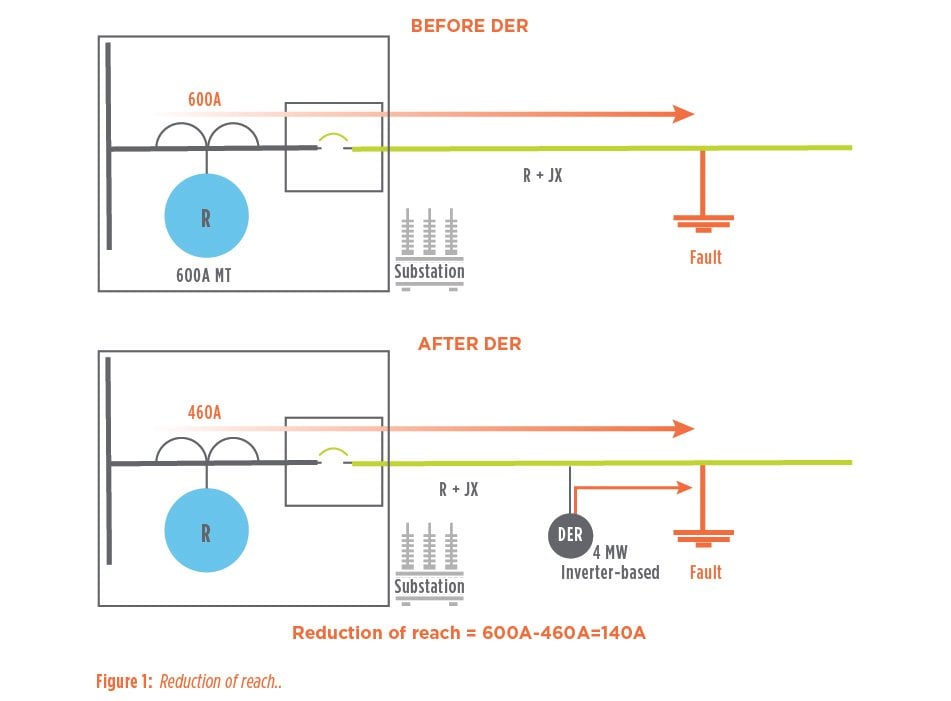
Protection studies to review substation breakers and relays, reclosers, fuses, and other components designed to protect against network damage.
Hosting capacity calculations are typically performed in a distribution planning model software tool such as CYME, Synergi or WindMil. These software programs make it possible to create simulations on each of a circuit’s nodes — that is, the spots where two or more line sections intersect — through an iterative process that looks for violations during each repetition of the simulation.
The software then typically calculates the hosting capacity for each separate study that is performed. The Electric Power Research Institute (EPRI) has also developed the Distribution Resource Integration and Value Estimation (DRIVE) software that can be fed circuit models and data to calculate hosting capacity.


.svg)